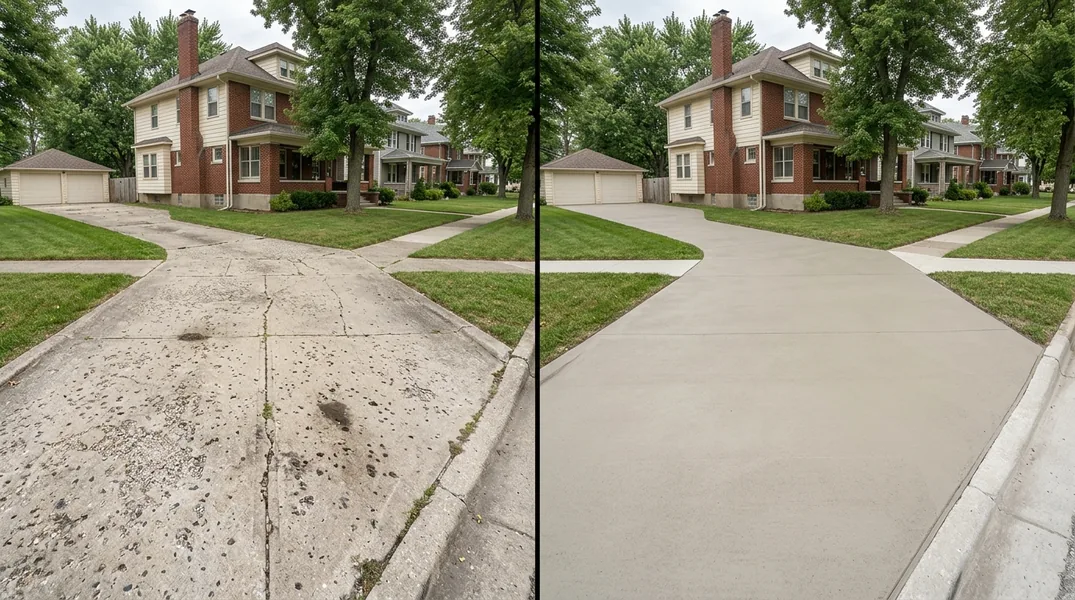
When to Pour Concrete in Indiana: Understanding the Ideal Season
If you're planning a Concrete Driveways project in Indianapolis, timing is everything. The concrete pouring season in Indianapolis typically runs from late spring through early fall, roughly May through September. During these months, temperatures and weather conditions are most favorable for proper concrete curing, which is the chemical process that hardens and strengthens your concrete over time.
The reason timing matters so much comes down to concrete curing weather patterns. Concrete doesn't simply dry like paint. Instead, it undergoes a hydration process that requires specific temperature ranges and moisture levels. When you pour concrete during Indiana's warmer months, you give the material the best chance to cure evenly and reach its full strength. Pouring during the wrong season can lead to weak spots, cracking, and premature failure, which means costly repairs down the road.
Spring and Summer: The Prime Concrete Pouring Window
Late spring and summer offer the most favorable conditions for concrete work in Indianapolis. From May through August, daytime temperatures typically range between 60 and 85 degrees Fahrenheit, which is ideal for concrete hydration. The longer daylight hours also give contractors more working time and allow the concrete to cure steadily throughout the day and into the evening.
During this period, humidity levels are moderate, and rainfall is less likely to disrupt a fresh pour. If you're considering Concrete Patios or other decorative projects, summer is when most Indianapolis homeowners schedule work. The warm, stable weather means fewer variables to manage, faster curing times, and better results. However, even in summer, you'll want to avoid extreme heat waves, as temperatures above 85 degrees can cause concrete to cure too quickly and develop surface cracks.
Fall: A Secondary Window Before Winter Sets In
September and early October can still work for concrete projects, though conditions become less predictable. Temperatures start to drop, and you have fewer daylight hours for work and curing. However, if you're planning a project in the fall, aim for early September when temperatures still hover in the 70s and 80s. This gives your concrete enough time to cure to a usable strength before winter weather arrives.
One advantage of fall pouring is reduced competition for contractor availability. Many homeowners focus their projects on summer, so you may find it easier to schedule with a local Indianapolis concrete contractor in the fall. That said, you'll need to work quickly and monitor weather forecasts closely. If freezing temperatures arrive before your concrete has cured sufficiently, you risk damage to the slab.
Why Winter and Early Spring Are Problematic for Concrete Curing
Winter in Indiana presents serious challenges for concrete work. Freezing temperatures slow the hydration process dramatically, extending curing times from days to weeks or even months. Worse, if water in fresh concrete freezes before the slab reaches sufficient strength, it can cause permanent damage, including scaling, spalling, and internal cracking. This is why most Indianapolis concrete contractors avoid pouring from November through April.
Early spring might seem like a good time to get started on your project, but March and April temperatures in Indiana are still too unpredictable. Frost heaves, freeze-thaw cycles, and sudden cold snaps can damage concrete that hasn't fully cured. Even if daytime temperatures reach the 50s or 60s, nighttime freezes can undo progress. If you're eager to begin work in spring, wait until late May when frost risk drops significantly and consistent warmth is more reliable.
How Concrete Curing Weather Affects Your Project Timeline
Understanding concrete curing weather is essential for realistic project planning. During ideal summer conditions, concrete typically reaches 70 percent of its design strength in 7 days and near-full strength in 28 days. However, in cooler weather, this timeline stretches. A fall pour might take 45 to 60 days to reach the same strength level. This matters because it affects when you can use your driveway, patio, or other concrete surface without risk of damage.
Temperature fluctuations also impact the curing process. Rapid temperature changes can cause stress in the concrete, leading to cracking. This is another reason why the stable, warm weather of summer is preferable. If you're planning Stamped & Decorative Concrete work, timing is even more critical since decorative finishes require precise curing conditions to look their best and last for decades.
Planning Your Concrete Project: When to Call an Indianapolis Concrete Contractor
The best approach is to plan ahead. If you want your project completed during the ideal concrete pouring season in Indianapolis, reach out to a local contractor in March or April. This gives you time to discuss your vision, finalize details, and schedule your pour for May or June when conditions are optimal. Don't wait until July or August, as many contractors book up months in advance.
Whether you need Concrete Repair & Resurfacing or a brand-new installation, Indianapolis Concrete is ready to help. We understand the unique challenges of Indiana's climate and can advise you on the best timing for your specific project. Call us at (463) 300-5202 or visit our website to request a free estimate. We'll assess your needs, discuss the ideal timeline, and ensure your concrete cures properly for years of reliable service.
Looking for a professional tree service in Indianapolis? Indianapolis Concrete responds fast for all your concrete needs.
Get a Free QuoteOur services: Concrete Driveways · Concrete Patios · Stamped & Decorative Concrete